
When you need portable power away from the grid or backup for a home outage, two product families dominate buyer consideration: the traditional portable generator (fuel-based) and modern battery power stations (rechargeable electric units). Choosing between them is not purely a matter of upfront cost or brand; it depends on how you plan to use the power source, what devices you must run, whether you prioritize zero-emission operation, and how you will recharge or refuel the unit. This guide lays out how each option works, the practical operational trade-offs, the key technical attributes to verify from product specifications and marketing claims, and how to match a solution to common scenarios such as camping, emergency home backup, or mobile work. Where available, I reference verified product information from the supplied evidence to illustrate the differences and the kinds of features manufacturers highlight. If a specification you need is not present in the evidence, I explain which measurements to request and why they matter.
Key takeaways
- Battery power stations are optimized for quiet, emission-free operation and for repeated shallow cycles when recharged via AC, car, or solar; verify chemistry and cycle-life claims on the spec sheet.
- Fuel-based portable generators offer continuous refueling flexibility for extended draws, but bring noise, emissions, and maintenance considerations that may limit where you can use them.
- When comparing models, check four core specs: energy capacity, continuous output rating, supported recharging options, and built-in safety/BMS features.
- Solar readiness and pass-through charging can change how you use a battery station in the field—confirm the compatible input type and maximum solar input the manufacturer lists.
- Weight and physical form factor matter: evaluate carrying method and whether the product is presented as a backpackable unit or a heavier home-backup device.
How portable generators and battery power stations deliver power
Portable generators convert chemical energy from a fuel source into electricity using an engine and an alternator. That allows them to supply power as long as you provide fuel and perform routine maintenance. The defining feature of fuel-based generators is on-demand electrical production that does not depend on a pre-charged storage reservoir.
Battery power stations store electrical energy in rechargeable batteries and deliver it through inverter circuitry as AC or DC outputs. They must be recharged from a wall outlet, a vehicle alternator, or solar panels (when supported). Product evidence supplied here consists of multiple battery-station examples—units that present capacity and output specifications as part of their product data—underscoring the storage-based model that separates them from fuel-run generators.
Performance characteristics buyers should compare
Energy capacity and continuous output are the two numbers that determine what you can run and for how long. In the supplied product data, manufacturers expose capacity and output fields (for example, the Jackery Explorer 300 lists specifications: capacity_wh '292' and output_w '300'; the EnginStar listing shows capacity_wh '296' and output_w '300'). Those fields represent the stored energy and the rated continuous power delivery you should verify when deciding if a unit will support specific appliances.
Battery chemistry and cycle life determine longevity and practical cost of ownership. Several product entries call out battery type and cycle expectations: Jackery marks battery_type 'LiFePO4 (LFP)' and lists a feature claiming 'over 4,000 charge cycles before reaching 70% capacity'; other entries identify lithium-ion chemistry and cycle-life guidance. When cycle-life numbers appear in manufacturer claims, confirm whether they refer to cycles to a given state-of-health and whether that claim is independently certified.
Operational differences: refueling, noise, emissions, and environment
Fuel generators rely on liquid or gaseous fuel and therefore can operate continuously with refueling—this is the primary operational advantage for long unattended runs. That feature trades off against fuel storage, routine engine maintenance, noise output, and exhaust emissions, which may constrain use in enclosed areas or noise-sensitive campsites.
Battery power stations are inherently quieter and produce no exhaust emissions during use, making them better suited to indoor or noise-restricted environments. They do require recharge opportunities. Some product descriptions in the evidence highlight solar compatibility and fast solar charging as selling points; examples include feature notes on solar pairing or supported solar input on several units. If you anticipate extended off-grid use without access to AC mains, verify the product's solar input capabilities and whether the manufacturer provides compatible panels.
Portability and practical use cases
Form factor and weight are decisive for outdoor uses like backpacking or multi-day car camping. The supplied product listings present a range of compact to larger designs: titles and specifications indicate which models are marketed for camping, travel, and weekend trips. For example, several compact models in the evidence emphasize lightweight designs and built-in handles in their feature copy, while larger home-backup offerings are promoted with higher capacity and output in their titles.
Match the unit to your use case: for lightweight mobile needs, prioritize a small form factor, a high energy-to-weight ratio for the category, and a versatile port layout. For home emergency backup, prefer higher continuous output, multiple AC outlets, and support for higher solar input or hybrid recharge methods. The product evidence includes models that explicitly target both camps—for instance, some units are labeled for 'Home Backup' and 'Camping' simultaneously—so study the listed usage categories when deciding.
Charging methods and solar integration
Modern battery stations offer multi-mode charging: AC wall charging, vehicle charging, and solar input are common. The manufacturer materials provided show many units advertising all three recharging routes; one product specifically notes '3 charging ways' and another highlights 'Fast Solar Charging.' When buying, confirm the exact input specification the manufacturer publishes and whether the unit supports pass-through charging (operating while charging).
Solar readiness requires matching the solar panel's voltage and connector type to the station's input and observing the maximum supported solar input. Several product entries call out panel compatibility or recommended panel wattage in their features. If the listing does not specify maximum solar input or input connector type, treat that as a required verification item before purchase—solar compatibility is not interchangeable across all models.
Safety, durability, and management systems
Battery Management Systems (BMS), thermal control, and protection circuits are central to safe operation. Product features in the evidence frequently highlight advanced protection: terms like 'superior protection system' and references to short-circuit, overcharge and overload protection appear in multiple listings. Verify that the station includes an explicit BMS description and that the seller explains protections and expected maintenance.
For battery chemistry, LiFePO4 (LFP) and lithium-ion have different safety and longevity profiles. Some product copy provided lists battery_type fields directly (for example, 'LiFePO4 (LFP)' for specific units). Where manufacturers assert high cycle-life figures or long service lives in feature copy, ask for clarification on test conditions and whether the claim is tied to specific depth-of-discharge or temperature ranges.
Making the decision: matching features to scenarios
If your priority is quiet, emissions-free operation for indoor use, frequent short-duration use, or discrete outdoor recreation, battery power stations align well—provided you can recharge them by AC or solar as needed. The evidence shows many battery-station models marketed to camping and home-backup buyers with multiport outputs and solar-ready statements.
If you need indefinite runtimes without dependence on recharging infrastructure—for example, for long-term remote work or prolonged outages without solar—fuel-based portable generators remain relevant. However, because the evidence set here focuses on battery stations, when evaluating generator alternatives you should explicitly check noise levels, emissions limits, and refueling logistics in vendor specifications that are not included in this data set.
What to check before choosing
- Confirm the product's published capacity and continuous output from the specification fields (e.g., look for capacity_wh and output_w entries).
- Verify battery chemistry and cycle-life claims (search for battery_type and any cycle-count or service-life statements) and ask for test conditions if not provided.
- Check supported recharge methods and solar input compatibility; obtain the manufacturer’s stated maximum solar input and connector specifications if you plan solar charging.
- Inspect the port layout (AC, USB-C, USB-A, DC/car port) to ensure it matches the devices you need to power and look for pass-through charging support if you will charge while in use.
- Confirm safety features and BMS details (over-current, over-voltage, temperature and short-circuit protection) and request documentation if the listing only provides marketing language.
- Consider weight and handling features as presented in product materials (built-in handles, small-form-factor claims) when portability is a priority.
Final considerations
The choice between a portable fuel generator and a battery power station hinges on how you plan to use portable electricity. Battery stations excel when you need quiet, low-maintenance, emission-free power for relatively short runs or when you can recharge via AC or solar. Fuel generators retain their role when continuous, long-duration power is required without dependable recharge options. In practical terms, focus your comparison on four fundamentals that appear on credible product listings: stored energy (capacity), rated continuous output, recharge pathways (including solar input), and protective management systems. The supplied product evidence contains many battery-station examples with explicit specification fields (capacity_wh, output_w, battery_type) and marketing claims about cycle life and solar pairing; use those published fields as the primary basis of comparison and insist on clarifications when a listing is vague. If you remain undecided after comparing specs, the safest approach is to map each device you intend to operate against the station’s rated output and to confirm recharge logistics for your likely locations. That process ensures your selected solution aligns with both daily convenience and emergency readiness.
Frequently asked questions
Can I run heavy appliances on a battery power station?
Whether a particular battery station will run a heavy appliance depends on the product’s published continuous output and surge capabilities. Check the specification fields labeled output_w and any mentions of surge or peak capability in the product features. If that data is not present in the listing you are looking at, request the continuous and peak output ratings from the seller.
How important is battery chemistry in a power station?
Battery chemistry affects safety, cycle life, and cost of ownership. The product evidence shows some units identify battery_type explicitly (for example, entries with 'LiFePO4 (LFP)' and others listing 'lithium-ion'). When a listing names the chemistry and provides cycle-life claims, use that information to compare expected longevity and temperature resilience between models.
Do battery power stations work with solar panels?
Many battery stations are sold as 'solar-ready' and the product features in the evidence sometimes mention solar pairing or specify compatible panel arrangements. To ensure compatibility, verify the station’s stated input requirements and maximum solar input in the product documentation before buying panels. Connector type and input voltage range are the critical matching points.
Are battery stations safe to use indoors?
Battery stations produce no exhaust and are generally suitable for indoor use from an emissions perspective, but safety depends on the device’s internal protections and ventilation guidance. Look for explicit references to a Battery Management System (BMS) and to over-current, over-voltage, and thermal protections in the product features or technical documentation.
How should I verify manufacturer cycle-life claims?
When a product claims a specific number of cycles or a service-life duration, ask for the testing protocol or standard behind the claim. Good documentation will clarify the depth-of-discharge used for the cycling tests and the state-of-health threshold (for example, the percentage of original capacity remaining) tied to the cycle count. If that information is not present, treat the claim as marketing language and request independent test data or certification.
Explore relevant products
Review available source details and compare products that relate to this guide.

Jackery Explorer 300 Portable Power Station,292Wh | Backup LiFePO4...
View available specifications and buying considerations.

EnginStar Portable Power Station 300W 296Wh Solar Generator | Pure...
View available specifications and buying considerations.

Anker SOLIX S2000 Portable Power Station, 2,010Wh, 1,500W | 2,010Wh...
View available specifications and buying considerations.

ENOFLO Portable Power Station, 97.68Wh Solar Generator | Lithium Ba...
View available specifications and buying considerations.
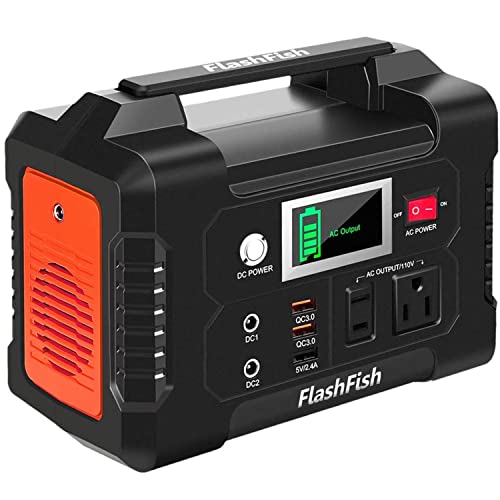
Portable Power Station 200W, FF Flashfish 40800mAh Backup Power Bat...
View available specifications and buying considerations.
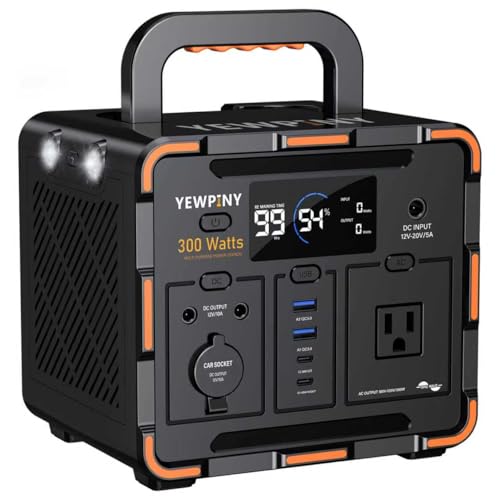
300W Portable Power Station, Solar Generator 259Wh, 17500mAh LiFePO...
View available specifications and buying considerations.
SmallEnterpriseD may earn a commission from qualifying purchases. This article is based on documented research and product data, not claimed hands-on testing.