
Portable power stations (also called portable solar generators or battery power stations) are useful for camping, emergency backup, travel, and short-term off-grid use. Choosing the right unit requires matching three things: the energy capacity you need, the continuous and peak power your devices draw, and the real-world charging and portability constraints you will face. The supplied product facts include very compact models, mid-range portable stations, and larger LiFePO4-focused systems; those examples illustrate trade-offs in battery chemistry, lifecycle, inverter capability, port selection, and solar readiness. This guide walks through decision points a buyer should verify on spec sheets and packaging rather than relying on marketing language alone.
Key takeaways
- Match capacity measured in watt-hours to the loads and durations you need — very compact units suit phones, laptops and small loads for short periods; mid-range units provide more useful capacity for longer outings; LiFePO4 systems are positioned for extended service life and f
- Confirm inverter type (pure sine versus modified or corrected) and the continuous versus peak (surge) ratings — sensitive electronics and medical devices generally require a pure sine inverter and adequate continuous watts.
- Check battery chemistry and cycle-life claims and compare those claims to warranty terms — vendor cycle claims are manufacturer-provided figures and should be weighed against warranty coverage.
- Verify charging options and whether the unit includes an MPPT controller — confirm listed maximum solar input and whether simultaneous charging and output (pass-through) is supported.
- Prioritize ports and PD capability that match your devices — confirm USB-C PD capability for laptops and check the AC outlet count and rating for appliances.
1) Read capacity (Wh) and what it means for runtime
Capacity specified in watt-hours (Wh) is the most practical way to estimate how long a power station will run a device. The dataset contains compact units and mid-size stations intended for short-term needs such as charging phones and laptops, running lights or fans, running small medical devices for limited periods, or keeping a few essentials powered overnight.
When you see Wh on a spec sheet, convert device power draw (watts) into operating hours by using the Wh figure together with the device watt draw to get a theoretical runtime, and then allow for inverter and system losses to estimate realistic run time. If a listing gives only milliamp-hours (mAh), request the Wh value or a manufacturer conversion, because mAh depends on nominal voltage and is not directly comparable across products. If a spec field looks inconsistent or corrupted, verify the printed label or the manufacturer spec sheet before purchase.
2) Continuous output vs peak (surge) and inverter waveform
The inverter's continuous rating and peak (surge) rating determine which appliances you can run. Peak surge matters for devices with high inrush currents such as motors and compressors, while sustained operation depends on the continuous watt rating.
Equally important is the inverter waveform. Some product listings explicitly advertise pure sine wave AC outlets, which is the right choice for sensitive electronics, medical devices and many CPAP models. If the inverter waveform isn’t clearly stated in the spec sheet, ask the seller to confirm whether the AC output is pure sine wave. For critical medical equipment, do not assume compatibility without a stated pure sine inverter and sufficient continuous wattage.
3) Battery chemistry, cycle life, and what to expect long-term
Battery chemistry affects lifecycle, usable depth-of-discharge and long-term capacity retention. The supplied product facts include units that specify LiFePO4 chemistry and others that use standard lithium-ion chemistries. LiFePO4 is commonly presented by vendors as having longer cycle life and greater thermal stability compared with many lithium-ion variants; those are the general trade-offs you will see in product positioning.
Vendors sometimes publish multi-thousand-cycle claims for LiFePO4 models or multi-hundred-cycle claims for lithium-ion models. Treat these claims as manufacturer-provided figures and weigh them alongside warranty length and terms. Ask the manufacturer how they define a cycle and what remaining capacity threshold they use when quoting cycle life.
If you expect regular deep cycling — for example daily off-grid use, worksite charging, or frequent outages — favor designs with cell chemistry and BMS architecture intended for sustained cycling, or verify the manufacturer's cycle-test methodology and warranty coverage for capacity degradation before purchase. Also consider how the vendor describes thermal management and whether replacement batteries or service options are available over the long term.
4) Charging methods, solar readiness, and real charging speed
Check every charging path the vendor lists: AC wall plug, car or alternator charging, USB-C input, and solar input. Confirm the maximum solar input wattage, the input voltage range, and whether the built-in solar controller is MPPT or a simpler PWM design — MPPT is generally more efficient and delivers faster charging under a wider range of conditions.
Also verify whether the unit supports simultaneous charging and output (pass-through) and whether charging while powering loads reduces performance or affects long-term battery health. If a listing includes charging-time claims or a maximum charging speed, treat those as vendor statements to be validated against manufacturer documentation or independent tests.
5) Ports, PD capability and device compatibility
Match port types and power ratings to the devices you actually carry. Look for USB-C PD ports with sufficient capability for your laptop, multiple USB-A ports for phones and accessories, and the number and rating of AC outlets if you plan to run appliances.
If you plan to run a laptop from USB-C, confirm the PD wattage listed for that port or use the AC outlet if the PD rating is insufficient. For medical devices, confirm both inverter waveform and continuous wattage. Also check whether the unit supports pass-through charging if you plan to charge the station while powering devices.
6) Safety, certifications, warranty and service
Battery management systems (BMS), certifications and warranty durations materially affect safety and total cost of ownership. Many product entries list BMS protections; at least one listing in the supplied dataset explicitly references ETL certification, and multiple entries describe BMS features such as short‑circuit protection, overcharge protection, and automatic shutdown behaviors.
Cross-check warranty length and what it covers, including capacity retention thresholds, battery replacement policy, and coverage for electrical components. Confirm return and service procedures and keep documentation for warranty service, since coverage and support can vary widely across vendors. For products intended to power medical devices, request explicit manufacturer statements about compatibility and any certification relevant to that use case.
What to check before choosing
- Confirm Wh capacity is stated on the spec sheet (not just mAh) and calculate expected runtime for your specific devices: use the station’s Wh rating together with each device’s watt draw to form a realistic expectation, then reduce that estimate to account for inverter and sy
- Verify continuous AC watt rating and peak (surge) capability, and insist that the inverter waveform is explicitly listed (pure sine preferred for sensitive electronics and medical devices).
- Check battery chemistry and stated cycle-life claims (manufacturer-provided) and compare them to warranty length and terms to estimate long-term value.
- Confirm all charging methods and maximum solar input listed by the manufacturer; ask whether the unit includes an MPPT controller and request manufacturer guidance on realistic solar charging behavior.
- Match USB-C PD and AC port ratings to your devices; for laptops and other high-draw devices ensure the listed PD or continuous AC wattage meets the device's requirement.
- Ask for specific safety certifications and confirm the BMS protections; document warranty and service contact details before purchase.
Final considerations
A careful, spec-driven decision will save frustration in the field. The supplied product facts illustrate the typical spectrum: very compact units emphasize light weight and short-term convenience; mid-range portable stations provide more useful capacity and more ports; LiFePO4-focused systems are positioned for extended backup and higher cycle life. Use the checklist to verify Wh, continuous and surge watts, inverter waveform, ports and PD wattages, battery chemistry and cycle-life claims, charging inputs (including solar input and controller type), and warranty details. When in doubt, request the manufacturer's detailed spec sheet and certifications, and avoid purchases where essential technical details are missing or inconsistent.
Frequently asked questions
How do I pick the right Wh capacity for camping or short power outages?
List each device you want to run and note its power draw. Add the watt draw for devices you will run concurrently and decide how many hours you need them to run. Use the station's Wh rating together with your device watt draws to estimate theoretical run hours, then reduce that estimate to account for inverter and system losses. If a listing provides only mAh, request the Wh value from the seller or manufacturer before buying.
Is LiFePO4 always better than lithium-ion?
LiFePO4 offers higher cycle life and greater thermal and chemical stability compared with many standard lithium-ion chemistries, which is beneficial for frequent deep discharge cycles. The dataset includes models that specify LiFePO4 chemistry and others that use standard lithium-ion cells. If you expect heavy cycling, LiFePO4 designs are generally a stronger long-term choice, but verify the manufacturer's cycle-life methodology and warranty coverage rather than relying solely on marketing claims.
How important is USB-C PD wattage and how do I pick it?
USB-C PD wattage matters when charging modern laptops and some tablets. Match the PD rating to your device's power requirement; if the PD rating is lower than your device needs, use an AC outlet (if available) or choose a station with higher PD output. Check the product listing for explicit PD specifications and confirm with the manufacturer if those specs are critical for your gear.
Can I charge the station with solar while powering devices?
Many product listings indicate support for solar charging and pass-through or simultaneous charging and output. However, not all models support continuous pass-through safely, and performance can be reduced during simultaneous use. Verify with the manufacturer whether pass-through is supported, whether the BMS allows it continuously, and whether charging while powering loads affects performance or cycle life.
What safety features or certifications should I insist on?
Insist on a clear statement of safety features: a BMS with over‑charge, over‑discharge, over‑current and short‑circuit protections is standard and is listed for many products in the dataset. Ask for any specific certification marks that matter in your region, and confirm thermal management measures. Also confirm the vendor's return and warranty service procedures; for medical-device use, request explicit compatibility statements from the manufacturer.
What should I do if a spec field looks inconsistent or corrupted on the listing?
Request the manufacturer's official spec sheet or a clear photo of the product label showing Wh, voltage, continuous and peak wattage, and battery chemistry. Do not rely on marketing copy alone. The supplied dataset includes at least one entry with corrupted fields, which illustrates why independent verification from the manufacturer or packaging is necessary.
Explore relevant products
Review available source details and compare products that relate to this guide.

Jackery Explorer 300 Portable Power Station,292Wh | Backup LiFePO4...
View available specifications and buying considerations.

EnginStar Portable Power Station 300W 296Wh Solar Generator | Pure...
View available specifications and buying considerations.

Anker SOLIX S2000 Portable Power Station, 2,010Wh, 1,500W | 2,010Wh...
View available specifications and buying considerations.

ENOFLO Portable Power Station, 97.68Wh Solar Generator | Lithium Ba...
View available specifications and buying considerations.
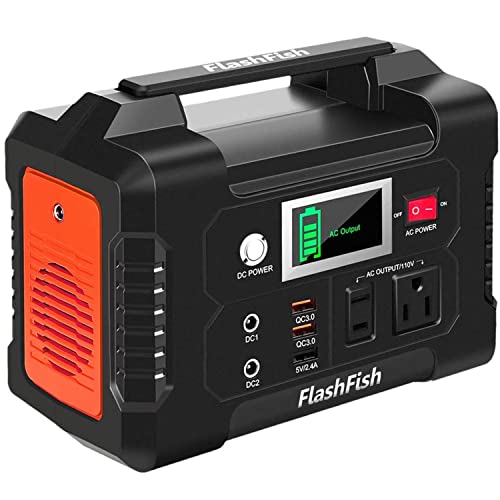
Portable Power Station 200W, FF Flashfish 40800mAh Backup Power Bat...
View available specifications and buying considerations.
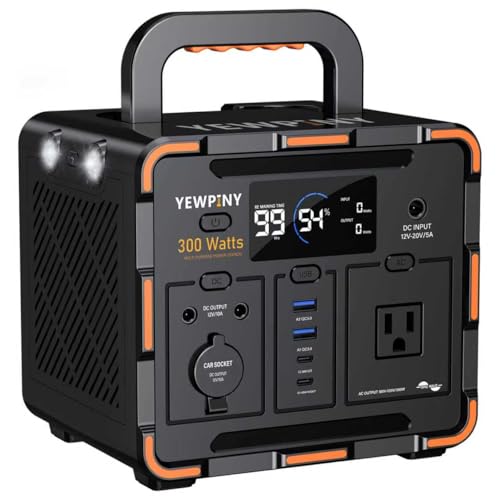
300W Portable Power Station, Solar Generator 259Wh, 17500mAh LiFePO...
View available specifications and buying considerations.
SmallEnterpriseD may earn a commission from qualifying purchases. This article is based on documented research and product data, not claimed hands-on testing.