
An emergency power kit is more than a single battery box: it’s a curated set of components and features that keep critical electronics running, protect equipment from power disturbances, and give you clearer visibility and control when the grid is unavailable. When assembling or buying an emergency power kit you’ll weigh chemistry and expected lifespan, output waveform and surge protection, how many and what type of outlets or ports you need, and what the system reports about its own status. The verified product notes in the evidence bundle cover a range of UPS-style solutions from compact desktop units to larger lithium-based UPS systems. Use this guide to understand the technical attributes that matter, compare feature trade-offs, and build a checklist that matches the devices and scenarios you need to cover during outages.
Key takeaways
- Match the UPS or power module’s stated capabilities and output type to the devices you plan to run, and verify exact specifications in the manufacturer documentation.
- Prioritize features that protect equipment—surge protection, automatic voltage regulation (AVR) where offered, pure sine wave output when specified, and any connected-equipment coverage the vendor documents.
- Look for usability features you will actually use during an outage: clear status readouts (LCD), user-replaceable batteries, and a clear distinction between battery-backed and surge-only outlets.
- If lifecycle and long-term maintenance matter, compare the seller’s stated battery chemistry, any lifecycle claims, and whether batteries are replaceable or serviceable.
What an emergency power kit should cover
Start by listing the essential devices you want your kit to support during an outage: communication gear (router, modem), a primary computer for coordination and file access, any medical-support devices you require, and a way to charge phones. The usefulness of a kit depends on how well its stated capacity, output type and protections map to that device list.
A complete kit isn’t just the battery module. It should include surge protection, a practical mix of outlets and ports, status and control interfaces so you know what’s happening, and a plan for battery replacement or service. The verified product summaries show UPS models that combine battery backup with surge protection, separate outlet groupings for critical versus peripheral devices, and status displays to help with monitoring and orderly shutdown.
Key electrical features to evaluate
Surge protection is central to safeguarding electronics from spikes. UPS-style devices commonly combine battery-backed outlets with surge-only outlets so you can prioritize essential equipment on the battery-backed sockets while still protecting secondary items. Some product notes also mention protection for coaxial and Ethernet lines; consult the vendor literature for exact protection scope.
Automatic Voltage Regulation (AVR) and output waveform are important checks. AVR can stabilize input voltage during brownouts and surges without switching to battery, conserving stored energy. When a product explicitly states it provides pure sine wave output, that indicates it is intended to deliver cleaner AC power under battery operation compared with basic stepped or modified waveforms—useful for sensitive electronics and modern power supplies.
Battery chemistry, lifespan and serviceability
Battery chemistry affects expected lifespan, typical cycle endurance, and maintenance. The verified notes include units that specify lithium iron phosphate (LiFePO4) chemistry and other units that highlight user-replaceable sealed batteries. Where vendors provide precise chemistry and lifecycle statements, factor those claims into lifecycle planning and total cost of ownership.
Serviceability matters in practice. Several units in the evidence emphasize user-replaceable battery modules or list replacement battery part references, which is a practical advantage when the battery ages. If you plan to keep a UPS for many years, confirm replacement battery availability and the swap procedure in the official product documentation.
Outlets, ports and load management
Check the mix of battery-backed outlets versus surge-only outlets and the overall outlet count. Many UPS models separate battery-backed sockets for mission-critical gear from surge-only sockets for peripherals; confirm the vendor’s outlet layout so you can plug in brick-style power supplies and multiple plugs without blocking adjacent sockets.
Also consider integrated USB charging ports and any line protections you need for internet connectivity. Some compact UPS units include a USB charging port that operates during outages; larger systems may provide additional AC outlets and a color display for load and battery status. Decide whether you prefer more battery-backed outlets or additional convenience ports based on your device list.
Monitoring, warnings and user controls
An easy-to-read display and audible warnings make real-world use less stressful. Several products in the evidence include an LCD panel that reports battery status, input voltage and estimated run conditions, and some models provide a buzzer that can be muted. These interfaces help you manage loads, decide when to conserve power, and verify that the system has switched to battery correctly.
If your kit will protect a workstation or network-attached storage device, check whether the manufacturer provides software for orderly shutdown or remote monitoring. Vendor literature should state whether software connectivity and automatic safe-shutdown features are available; rely on that documentation rather than advertising alone.
Safety, certifications and manufacturer protections
Product safety certifications and manufacturer-backed protections are part of the risk calculation. The evidence mentions recognized safety certifications for some units and also includes references to manufacturer-provided protections for connected equipment in at least one product note. When such claims appear, verify them in the official product literature and the warranty terms.
Also review any cautions about operating environment and installation. Several manufacturers note operating constraints in their documentation and advise verifying outlet voltage and avoiding high-temperature or enclosed installations. Plan kit placement to meet these operating constraints and follow any user-guidance the manufacturer provides.
Finally, check warranty terms and any connected-equipment protection that may be offered. Some vendors document specific warranty or protection programs; confirm the scope, limitations and claim process directly with the manufacturer before relying on those protections in an emergency.
Assembling a kit: combining products and priorities
Use product features to assemble a kit that reflects your priorities. If low maintenance and long useful life are important, the evidence includes UPS models that emphasize lithium iron phosphate chemistry together with battery-management and cooling features. If field-replaceable batteries and a compact footprint matter, the evidence includes smaller UPS units that call out user-replaceable batteries and a modest outlet count.
Avoid assuming one-size-fits-all. Match the product’s stated capabilities, outlet configuration, surge protection and monitoring features to the devices you must keep running and the environment where the system will live. Where vendor literature lists warranty terms or connected-equipment coverage, include verification of those items in your procurement checklist before purchase.
What to check before choosing
- Confirm the exact battery chemistry and any stated cycle-life or longevity claims in the product documentation.
- Verify the count and type of outlets (how many battery-backed vs surge-only) match the devices you need to support.
- Check for surge protection details, the presence of AVR, and whether the vendor specifies the output as pure sine wave.
- Look for serviceability: user-replaceable battery options and any replacement battery part references or availability notes.
- Confirm monitoring options: LCD/readout details, audible alarms and any vendor software or safe-shutdown capability.
- Review safety certifications, any ENERGY STAR or equivalent recognition the vendor cites, and any connected-equipment protection or warranty coverage the manufacturer offers.
Final considerations
An emergency power kit is practical insurance: it reduces the chance of data loss, maintains communications and protects sensitive devices when the grid fails. The verified product notes show how modern UPS-style systems combine surge protection, monitoring, outlet segregation and different battery chemistries to meet a range of needs. Translate your device list and operational priorities into technical checks—output compatibility, outlet configuration, serviceability and diagnostics—and validate those checks against the manufacturer’s technical documentation. Give particular weight to features you will use under stress—clear status displays, replaceable batteries, and protections for connected equipment—rather than marketing claims alone. Finally, confirm operating constraints and any stated manufacturer protections before finalizing a purchase so your kit performs reliably when it matters.
Frequently asked questions
Do I need a pure sine wave output for an emergency power kit?
Pure sine wave output is generally recommended for sensitive electronics and devices with active power supplies because it provides cleaner AC power during battery operation. When a product description explicitly states it provides pure sine wave output, that indicates the unit is designed to support such equipment. For less-sensitive loads, non-sine wave outputs may be adequate; always verify device power-supply requirements in the documentation.
How important is battery replaceability?
User-replaceable batteries extend the service life of a unit because you can renew the battery without replacing the entire UPS. Several products in the verified evidence list user-replaceable batteries or reference replacement battery parts (for example, some APC models reference replacement battery part numbers). If you plan to keep your kit for many years, factor replaceability and replacement-battery availability into your purchase decision and confirm the replacement procedure in official documentation.
What should I look for in surge protection features?
Look for explicit descriptions of surge protection, whether the unit includes both battery-backed and surge-only outlets, and whether the vendor states protection for additional lines such as coaxial or Ethernet. Some units call out coax and network-line suppression; confirm the exact protection scope and any surge-energy specifications in the product literature.
Are lithium iron phosphate batteries better for long-term use?
The verified product notes present lithium iron phosphate (LiFePO4) models alongside traditional sealed-battery UPS designs. Vendors often pair lithium chemistries with battery-management systems and cooling features and describe those models as designed for extended service life. Use vendor lifecycle claims to compare expectations for longevity and total cost of ownership, and verify those claims in the manufacturer documentation.
What monitoring and alert features are useful during an outage?
Useful features include a clear LCD or status panel showing battery and input status, audible alarms that can be muted where supported, and any software interfaces for safe shutdown of protected computers. The verified notes highlight models with LCDs reporting battery and load information and models that describe alarm-mute options; check the vendor documentation for the precise monitoring and alert capabilities that matter to you.
Explore relevant products
Review available source details and compare products that relate to this guide.

APC BX1500M UPS Battery Backup & Surge Protector for Computers, Ele...
View available specifications and buying considerations.
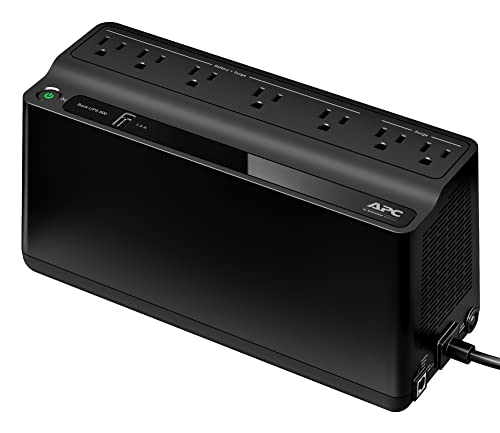
APC BE600M1 UPS Battery Backup & Surge Protector for Computer, Rout...
View available specifications and buying considerations.

APC BE425M UPS Battery Backup and Surge Protector for Small Electro...
View available specifications and buying considerations.

GOLDENMATE 1000VA/800W Lithium UPS Battery Backup & Surge Protector...
View available specifications and buying considerations.

GOLDENMATE 1000VA/600W Lithium UPS Battery Backup & Surge Protector...
Battery capacity (Wh): 153.6

GOLDENMATE 1000VA/800W Lithium UPS Battery Backup & Surge Protector...
Battery capacity (Wh): 230
SmallEnterpriseD may earn a commission from qualifying purchases. This article is based on documented research and product data, not claimed hands-on testing.