
This guide explains three related but distinct measurements you will encounter when evaluating portable power and backup systems: watt-hours (Wh), watts (W), and surge (starting) wattage. Wh describes stored or generated energy over time; W describes instantaneous power draw; and surge wattage describes short-duration additional power some devices need when they start. Understanding these differences — and how appliance behavior, inverter ratings and generator labels use these terms — helps you avoid undersizing a system or overloading equipment. The guidance below defines each term, explains how they interact, and lists practical checks to make when comparing batteries, inverter systems, solar kits and generators.
Key takeaways
- Watt-hours (Wh) express energy over time; watts (W) express instantaneous power demand; surge (starting) watts are short-lived peaks above the continuous draw.
- Match a power source’s continuous (running) watt rating to the combined continuous draw of connected loads, and verify the available peak (starting) capacity for motor loads.
- Treat vendor-stated daily solar production or energy figures as location- and condition-dependent estimates and confirm the assumptions behind them.
- Check inverter output quality (THD) and outlet/port types and verify safety features such as GFCI outlets or automatic CO shutdown when buying generators or inverters for sensitive electronics.
- Request written specs for continuous and peak ratings and, when necessary, plan load management (staggered starts or soft-start devices) rather than relying solely on a larger headline number.
What Wh (Watt-hours) Means and How to Use It
Watt-hours measure energy: they tell you how much usable energy is available to deliver power over time. In battery and solar contexts Wh is the figure used to compare how long a given set of loads can be served before recharging is required.
When sizing battery-backed systems, start by listing the loads you want to power and the duration for which you need them. Convert each load’s steady power draw into an energy requirement by multiplying steady power by planned run time, then sum those amounts to get a total Wh need. After you have that total, allow margin for inverter inefficiency, battery-management restrictions on usable state of charge, and other system losses. If a vendor provides a quoted daily solar production or Wh/day number, treat it as an estimate tied to specific sunlight assumptions and confirm what those assumptions are before relying on the figure.
What Watts (W) Indicates and Why Continuous Rating Matters
Watts measure instantaneous power demand. A device’s wattage is the steady amount of power the source must supply while that device runs.
Manufacturers publish a continuous or running watt rating for inverters and generators — the steady power the unit is designed to supply. To determine whether a source can run a set of devices simultaneously, compile the continuous wattage of those devices and compare the sum to the unit’s published continuous rating. If a continuous rating is not clearly stated in product literature, request the exact number in writing before purchase so you know the steady-state limit you must respect.
Also be aware that continuous ratings reflect thermal and design limits. Running a unit consistently at or above its continuous rating can lead to overload, overheating, or tripped protections. For sustained heavier loads, select a unit with adequate continuous capacity or adopt load-management strategies such as staggering loads or using devices with lower steady demand.
Surge (Starting) Wattage: Why Motors and Compressors Demand More
Surge or starting wattage covers short-duration peaks required to start motors, compressors, pumps and some power supplies. Many motor-driven appliances draw substantially more current for the fraction of a second to a few seconds when they start compared with their running current, and that spike can exceed a source’s steady rating.
Product descriptions often list both running and starting/peak values. For example, one inverter generator in the verified evidence shows a stated running rating paired with a higher starting rating of "3,900 running / 5,200 starting" on gasoline, and another product lists a paired rating of "4,400 peak watts and 3,400 running watts." Use such paired numbers to decide whether a power source can start motor loads. If an appliance’s required starting wattage exceeds the unit’s peak capability, options include sizing a dedicated source for that peak, adding a soft-start device to reduce inrush, or avoiding running that appliance from that source.
Sizing Batteries and Estimating Runtime — Practical Guidance
To estimate how long a battery will run a set of loads, first determine the total steady power draw of those loads and compare that to the battery’s usable energy, then allow for inverter and system losses. Confirm whether the manufacturer’s quoted energy numbers represent usable energy or gross installed capacity so you do not overestimate runtime.
If a vendor provides amp-hour values instead of Wh, ask how those values convert to usable Wh at the system nominal voltage and under the battery-management system’s stated limits. Avoid relying on a single vendor number without understanding the conditions and assumptions used to produce it.
Generator and Inverter Features that Affect Real-World Use
Beyond running and starting ratings, check for features that affect usability: output waveform and total harmonic distortion (THD) for sensitive electronics, the types and number of outlets and USB ports, safety features such as automatic CO shutdown where listed, and whether units can be paralleled to increase capacity.
For example, one inverter-type generator in the verified evidence advertises low distortion in its AC output, specifying less than 3% THD; that is meaningful when you plan to power sensitive electronics. Some manufacturers also document parallel capability so users can combine units for more output — when vendors advertise that option, obtain the exact combined continuous and peak ratings for the paralleled configuration from the manufacturer rather than assuming the simple sum of two single-unit ratings applies unconditionally.
Load Management, Safety and Practical Buying Decisions
For loads with heavy starting demands, plan one of three approaches: choose a source with sufficient peak margin, add a soft-start device to reduce starting current, or manage loads so heavy-starting items do not start at the same time. Heed manufacturer usage warnings — a small portable generator in the verified evidence explicitly states it is "Not supposed to run AC units," and that should be treated as authoritative guidance for that model.
Always verify outlet compatibility for your devices, confirm inverter waveform and THD for sensitive gear, and check protective features that satisfy your intended use case. For larger integrated systems or grid-tied installations, follow the vendor’s recommendation for professional installation when specified.
What to check before choosing
- List every appliance you plan to run and note both their running watts and any stated starting wattage or inrush current; where starting watts are not published, assume starting demand may be multiple times the running draw and confirm with the appliance manufacturer.
- For battery systems, confirm whether quoted energy numbers are usable capacity or gross capacity, and factor inverter and system losses before sizing for required hours of operation.
- When comparing generators or inverters, obtain written continuous (running) and peak (starting) watt ratings and confirm THD if you will power sensitive electronics; some products in the evidence cite low THD figures as a selling point.
- Check outputs and connectors — the physical outlet types and number of AC outlets, RV-style or other higher-current sockets, USB-A/USB-C and any DC outputs — and ensure the unit has the physical connections you need for transfer or load wiring.
- Confirm safety and compliance details: GFCI outlets, automatic CO shutdown if listed, warranty terms, and any stated emissions or state-compliance claims.
- If you intend to parallel units for higher capacity, verify the required parallel accessory model or kit, the combined continuous and peak ratings when units are paralleled, and any limitations or conditions the manufacturer specifies.
Final considerations
Understanding the difference between Wh, W and surge wattage lets you match a power source to the actual behavior of your loads instead of relying on a single headline number. Wh tells you how long you can run a load; W tells you whether the source can power that load continuously; and surge wattage tells you whether short starting peaks will be handled. Use manufacturer-published running and starting numbers where available and always request or confirm exact continuous and peak ratings in writing. If a specification is missing or ambiguous, assume the conservative path: get clearer documentation, use load management strategies, or choose a system with higher continuous and peak margins to reduce surprises and help keep equipment and people safe.
Frequently asked questions
If a generator lists both running and starting watts, which number should I compare to my appliance list?
Compare your summed appliance running watts to the generator’s running (continuous) watt rating — that determines whether it can power everything simultaneously. Then check the generator’s starting/peak rating to ensure it can handle motor starts. If a heavy motor’s starting requirement exceeds the generator’s peak rating, prevent simultaneous starts, add a soft-start device, or select a unit with a higher peak capacity.
How do I use a vendor’s quoted daily solar output number?
Treat quoted daily output as an estimate tied to a specific number of peak-sun hours and installation assumptions. Use the quoted figure to plan how much battery energy you can reasonably expect to replace each day, but verify local conditions (sun hours, shading, season) and system losses. Ask the vendor for the assumptions behind the number if it is critical to your sizing.
What does THD mean and why is it important for inverter generators?
THD (total harmonic distortion) measures how close an inverter’s AC output is to a pure sine wave. Sensitive electronics and some motor-driven devices run better on cleaner power. If a manufacturer lists low THD (for example, one inverter-style generator in the verified evidence advertises less than 3% THD), that is useful information; otherwise, request the THD specification for the inverter if you plan to power computers, medical equipment, or precision electronics.
Can I rely on a portable generator rated for less continuous power if it has a high peak rating?
No — a high peak rating allows the unit to start loads, but sustained drawing above the continuous watt rating will overload the generator. The peak rating is intended for short-duration spikes only. For sustained heavier loads, choose a unit with adequate continuous capacity or plan to cycle or stagger loads to stay under the continuous limit.
What should I verify when a vendor claims parallel capability?
Ask for the exact combined continuous and peak ratings when units are paralleled, the required parallel kit model or part number, and any limitations (voltage, phase, or waveform constraints). Also verify whether paralleling affects warranty or emissions compliance and get the written specs for the paralleled configuration.
My small portable generator warns against running air conditioners. Should I trust that?
Yes. Manufacturer warnings are authoritative for that model. If a product explicitly states it should not run AC units, that indicates the unit’s continuous and/or peak ratings, or its thermal design, are insufficient for those loads. Either follow the manufacturer’s instructions, choose a larger generator sized for the AC’s starting and running requirements, or consider alternatives such as soft-start devices or dedicated circuits.
Explore relevant products
Review available source details and compare products that relate to this guide.


Oxseryn Power Equipment 4400 Watts Inverter Generator Gas Powered,...
View available specifications and buying considerations.

Pulsar PG1202SA 1200W Portable Generator, 900 Running Watts, 71cc 2...
View available specifications and buying considerations.
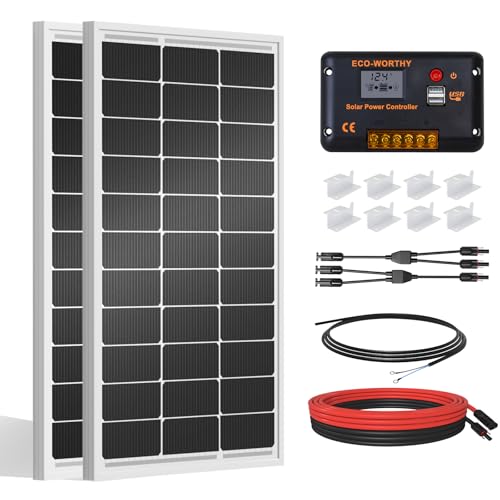
ECO-WORTHY 200 Watts 12 Volt/24 Volt Solar Panel Kit with High Effi...
View available specifications and buying considerations.

ECO-WORTHY 10000W Output Complete Off-Grid Solar Panel Kit for Home...
View available specifications and buying considerations.
SmallEnterpriseD may earn a commission from qualifying purchases. This article is based on documented research and product data, not claimed hands-on testing.