

Pure sine wave inverters appear in many modern portable power stations and solar generators because they produce an AC output waveform that most manufacturers describe as “clean” and suitable for sensitive electronics. The products in the supplied evidence explicitly advertise pure sine wave outputs and add other system features—battery chemistry, battery management systems (BMS), UPS behavior, and solar charging readiness—that shape how a buyer should evaluate an inverter-equipped power station. This guide explains what “pure sine wave” means in practical buying terms, how inverter behavior interacts with battery type and charging methods, and which product details in the evidence are useful when comparing units for camping, travel, or home backup.
Key takeaways
- Pure sine wave inverters are the form of AC output most often recommended for sensitive electronics; look for explicit “pure sine wave” claims in product descriptions.
- Match the inverter’s continuous AC output spec (when provided) to the expected load and confirm whether surge/peak capability or UPS response is stated.
- Battery chemistry and BMS descriptions in the specification set affect longevity and safe operation; LiFePO4 and lithium-ion are both represented in the evidence.
- Charging pathways—wall, car, and solar—are relevant to inverter utility; check for built-in MPPT or explicit solar compatibility if solar charging is important.
- Safety and certification details such as ETL, BMS protections, and explicit UPS timing provide practical assurances; verify those items in product documentation before purchase.
What “Pure Sine Wave” Means for Buyers
When manufacturers label an inverter output as “pure sine wave,” they mean the AC waveform is intended to approximate the smooth oscillation used by utility-supplied electricity. In practical terms, many product descriptions in the evidence use the phrase to indicate compatibility with sensitive loads such as computers and medical devices; for example, several units explicitly advertise pure sine wave AC outlets to protect laptops and CPAP machines. Buyers should treat the phrase as a compatibility indicator rather than a performance guarantee and read the rest of the specification sheet.
The marketing emphasis on pure sine wave often accompanies additional claims about silence, stability, and efficiency. Evidence entries for portable generators and power stations show the phrase bundled with descriptors such as “works quieter, more efficient and more stable,” or simply listed as a feature. Those marketing statements point toward the manufacturer’s intent for the inverter to support sensitive equipment safely, but buyers should still confirm output limits, surge capability, and any UPS behavior that affects device continuity during outages.
Because inverter topology is only one part of a power system, understanding the pure sine claim in context matters. The inverter’s waveform quality affects compatibility with inductive or motorized loads, but actual suitability depends on continuous output rating, surge tolerance, and protections implemented in the unit’s BMS and inverter control. Use the pure sine wave label as a starting filter, then verify the accompanying electrical limits and safety features the seller provides.
How Inverter Output Specifications Inform Use Cases
Product entries in the supplied evidence include continuous output numbers and peak or surge capabilities in some feature texts or specification fields. These numerical entries help determine which devices a given unit is intended to run. For buyers, it is important to read the product specification fields that accompany the pure sine claim—where present—because continuous output and peak power determine the range of appliances the inverter can handle. If a spec is not present, ask the seller for the continuous and surge output ratings before relying on the unit for higher-demand equipment.
Some listings in the evidence expand on output capability by noting additional features like multiple AC outlets, USB-C power delivery, and DC outputs. Those port counts, along with the inverter’s rated AC output, indicate how many and what kinds of loads the system is designed to support simultaneously. Confirm whether pass-through charging is allowed if you plan to run devices while recharging the battery, as that operational mode can interact with inverter thermal management and BMS protections.
When a product description includes both a continuous AC rating and a surge claim, it signals the manufacturer has considered startup loads from motors and compressors. Evidence also shows products with “PowerRaise” or similar language indicating temporary surge handling. Buyers should verify whether the surge capability is explicitly stated in the evidence for any product under consideration, and if not, ask the vendor for that information prior to purchase.
Battery Chemistry, BMS, and How They Affect Inverter Performance
The evidence set includes units built with different battery chemistries and management strategies. Some products list LiFePO4 (LFP) chemistry and describe long cycle life, while others list lithium-ion. Those chemistry descriptions are relevant because the battery’s internal resistance, thermal characteristics, and cycle expectations influence how well an inverter can be supplied under sustained loads. When manufacturers include a BMS description, such as over-current, over-voltage, short-circuit, or temperature controls, that clarifies the safety measures that protect both battery and inverter subsystems.
Several feature entries explicitly reference BMS protections and the ability to handle thermal conditions with intelligent cooling. Buyers should interpret these statements as indicators of integrated protection rather than definitive runtime or longevity claims. The presence of a named chemistry—LiFePO4 or lithium-ion—and a BMS description in a product’s evidence provides tangible details you can use to compare units, but you should still request manufacturer data sheets or certification listings if longevity or heavy cycling is a purchase driver.
Manufacturers sometimes tie battery chemistry and inverter behavior together in marketing language, for example by presenting LiFePO4 as offering a longer service life or listing a cycle-count expectation. Those statements appear in the supplied evidence and are useful context, but they do not replace a careful review of thermal management, rated continuous output, and any warranties or manufacturer service statements that accompany the product.
Solar and Charging Compatibility That Affects Inverter Use
Multiple products in the evidence highlight solar-ready charging methods and list supported panel voltage ranges, built-in controllers, or included panels. When an inverter is part of a portable power station intended for solar use, confirm whether the unit includes MPPT charge control or only a basic regulator. The evidence shows models with built-in controllers or MPPT-like language, which affects how efficiently solar energy is converted to stored battery energy and how quickly the system can resume supplying the inverter during daylight.
The devices in the supplied evidence commonly advertise three-way charging—AC, car, and solar—alongside the pure sine wave inverter claim. For buyers who plan to recharge from solar while using the inverter, verify that the manufacturer explicitly supports simultaneous charging and discharging or pass-through operation. Evidence entries that mention pass-through charging or solar-ready design are relevant signals, but they should be corroborated with the product manual or technical support for safe continuous operation.
Some evidence items bundle a specific solar panel with the power station; others sell panels separately while listing supported panel ranges. If you need solar charging to support inverter use in the field, check the product text in the evidence for any included panel size or specified input range and confirm connector compatibility and recommended charging profiles. Where such details are missing, ask the vendor for the acceptable panel voltage and connector type before buying.

Port Selection, UPS Behavior, and Surge Considerations
Product evidence commonly lists multiple AC outlets, USB-A and USB-C ports, DC outputs, and sometimes included car-adapter connections. Those port counts clarify how many device types the inverter-equipped station can power without additional adapters. If you require uninterrupted operation for routers, medical devices, or workstations, look for explicit UPS behavior in the evidence. For example, one product description mentions a 10ms UPS switch, which indicates how quickly the unit claims to transition to battery power during an outage.
Surge handling is another area where product language matters. Some feature lists in the evidence refer to peak or surge capabilities and name technologies such as “PowerRaise.” These entries suggest the manufacturer has designed for short-term startup loads. Confirm that surge or peak values are included in the product documentation when you need to handle devices with high inrush currents. If surge specs are not included in the evidence, request them prior to assuming compatibility with motorized or compressor-based appliances.
Port selection also affects cabling and accessory needs. The presence of USB-C PD ports or regulated 12V DC outputs in the evidence provides guidance on what devices can be directly powered. Buyers should map the ports listed against their device list and check whether the product supports simultaneous operation of high-draw ports together, as the aggregate load limit matters to safe inverter operation and to BMS-enforced protections.

Safety Certifications, Enclosures, and Manufacturer Claims
Several products in the evidence reference safety features and certifications in their descriptions. For example, one listing mentions ETL certification, and multiple entries describe built-in protections such as short-circuit, over-current, over-voltage, overload protection, and intelligent cooling behavior. Those statements are useful signals of manufacturer attention to safety; buyers should verify any certification claims by checking the included documentation or the manufacturer’s support resources rather than relying on a single marketing line.
Beyond certifications, the evidence sometimes calls out enclosure material and intended use environments, such as an “Indoor Use Only” label or a metal design for heat dissipation. Those elements affect where you can safely operate the inverter-equipped station. If the product documentation in the evidence mentions an indoor-use label or specific enclosure materials, follow those instructions to respect waterproofing and ventilation limitations.
Warranty and service statements also appear in the supplied evidence as manufacturer-provided terms for support duration or recommended maintenance. While those items do not quantify performance, they do speak to after-purchase expectations. Before purchase, confirm warranty coverage, recommended maintenance practices, and any required procedures—such as recommended storage charge intervals—that appear in the product material.
What to check before choosing
- Confirm the product explicitly states “pure sine wave” in its technical features or specification and read the accompanying continuous AC output rating if provided.
- Verify battery chemistry (for example, LiFePO4 or lithium-ion) and look for BMS protections listed in the product evidence such as short-circuit, over-current, and temperature controls.
- Check whether the product documentation included in the evidence or feature list mentions solar charging compatibility, built-in controller or MPPT wording, and any included panel size if you plan to recharge by solar.
- Look for any UPS timing or surge/peak handling language in the evidence if you need the unit to support startup loads or provide uninterrupted switching for critical devices.
- Inspect safety and certification claims such as ETL or manufacturer-stated indoor-use limitations and confirm warranty or service period statements in the product materials.
Final considerations
Pure sine wave inverters are commonly presented as the preferred solution for powering sensitive electronics, but the inverter label alone does not fully define a portable power station’s suitability. The supplied product evidence illustrates the spectrum of related specification items you should evaluate: continuous and peak AC output if stated, battery chemistry and BMS protections, solar and charging compatibility, port selection, UPS timing, and any listed safety certifications. Use the explicit claims in a product’s feature list and specification fields as your primary basis for comparison, and request missing technical details from the seller or manufacturer before committing to a purchase. That approach keeps expectations aligned with the unit’s documented design and the operational needs of your devices.
Frequently asked questions
Does “pure sine wave” guarantee compatibility with every device?
No. While the pure sine wave label indicates the inverter aims to reproduce a clean AC waveform and is commonly recommended for sensitive electronics, compatibility still depends on the unit’s continuous AC output rating, surge handling, and the device’s own power requirements. Check the product’s specification fields and any surge or peak claims in the evidence, and confirm those values with the manufacturer if they are not listed.
How does battery chemistry shown in product details affect inverter use?
Battery chemistry information—such as references to LiFePO4 (LFP) or lithium-ion in the evidence—relates to expected cycle life, thermal behavior, and overall system longevity. These chemistry descriptions, together with a stated BMS and cooling strategy, provide context for how the inverter might perform under sustained loads and repeated charge cycles. Use those listed chemistry and BMS details to compare long-term expectations across products.
If a product mentions solar compatibility, does that mean it charges quickly from solar?
Not necessarily. The appearance of solar-ready wording or mention of an included panel in the evidence signals that the unit supports solar charging, but it does not by itself define charging speed or efficiency. Look for explicit controller type (for example, MPPT) or any specified panel range and included panel wattage in the product documentation. If that information is missing from the evidence, ask the seller for recommended panel specifications and charging profiles.
Should I rely on marketing phrases like ‘works quieter, more efficient and more stable’?
Marketing language can be helpful as an initial indicator of design intent, but it should not replace technical verification. Phrases about quiet operation or efficiency are qualitative; validate them by checking for listed features such as an inverter’s pure sine wave claim, stated protections, cooling methods, and any certifications included in the product evidence. When in doubt, request the technical manual or spec sheet for measurable details.
What safety details should I verify from the product evidence before buying?
Confirm any claims about built-in protections—short-circuit, over-current, over-voltage, overload protection, and thermal controls—that appear in the evidence. Also check for certification mentions such as ETL and any enclosure or use-environment notes, for example an indoor-use label. Finally, review warranty and recommended maintenance language included in the product materials to understand post-purchase support expectations.
Explore relevant products
Review available source details and compare products that relate to this guide.

EnginStar Portable Power Station 300W 296Wh Solar Generator | Pure...
View available specifications and buying considerations.
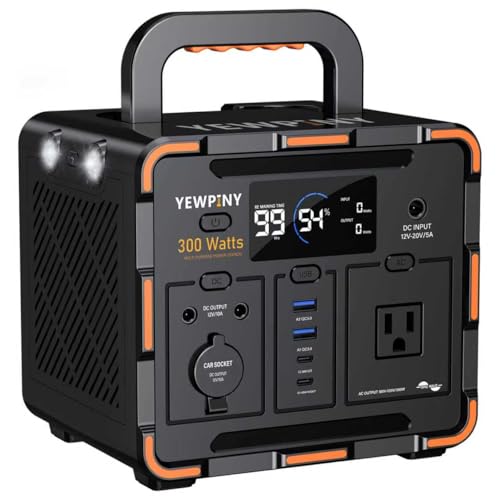
300W Portable Power Station, Solar Generator 259Wh, 17500mAh LiFePO...
View available specifications and buying considerations.

Jackery Solar Generator 300 and 40W Solar Panel,292Wh,300W AC | Pur...
View available specifications and buying considerations.

LIBRIDS Portable Power Station 640Wh, 1200W Surge, Solar Generator...
View available specifications and buying considerations.

Portable Solar Generator 300W Portable Power Station with 60W Solar...
View available specifications and buying considerations.

Portable Power Station 300W MARBERO 237Wh Camping Solar Generator B...
View available specifications and buying considerations.
SmallEnterpriseD may earn a commission from qualifying purchases. This article is based on documented research and product data, not claimed hands-on testing.