

Solar panel connectors are the physical interface that links panels, charge controllers, power stations and loads. They determine electrical compatibility, weather resistance, polarity security and how easily you can expand an array or reconfigure a system in the field. For people buying portable panels, branch adapters or compact power stations, the connector choices that come with the hardware can make setup simpler or force you to buy extra adapters. This guide explains common connector families, how polarity and sealing matter, why adapter selection is critical for portable systems, and what to verify on product listings and kits before you buy.
Key takeaways
- Connector names (MC4, XT60, Anderson, DC barrel, USB, PV branch) describe form and mating—match male/female types and wiring gauge, not just labels.
- Waterproofing and seals matter for outdoor panels; look for stated IP ratings or sealed designs in product documentation.
- Adapters and Y-branch connectors allow parallel/series configurations, but confirm compatibility with your panel or power station and the cable gauge.
- Polarity protection and keyed housings reduce risk of reverse connection; check whether a product’s connector kit includes clear polarity markings or keyed plugs.
- Manufacturer connector kits vary: some panels ship with multi-adapter sets, others require separate MC4 or proprietary adapters—verify what’s included before buying.
Why connectors matter for solar setups
Connectors are more than plugs; they are the electrical and mechanical handoff between energy capture and energy use. A connector determines whether a panel can mate directly to a charge controller, a portable power station, or an adapter cable. If connectors don’t match, you need adapters or replacement pigtails. That can add cost, weight and potential points of failure. For portable use, the connector choice also affects how quickly you can set up and tear down an array in changing weather conditions.
Beyond mating, connector construction affects reliability. A well-sealed connector resists moisture, dust and UV, reducing corrosion risk and intermittent contact. Mechanical retention and keyed housings prevent accidental disconnection and reduce the chances of reversing polarity. In field situations such as camping or RVing, these small differences can mean fewer headaches and a longer service life for the hardware.
Connector availability and included adapter kits also influence user experience. Some portable panels come with multi-adapter kits that include a variety of DC plugs and standardized PV connectors. Other panels rely on industry-standard connectors that are widely available for purchase separately. Knowing what connectors a panel ships with, and what your power station accepts, saves time and ensures you can actually use the hardware straight out of the box.
Common connector types you’ll encounter
MC4-style PV connectors are commonly used on many field-installation solar panels and are designed for outdoor, weather-exposed use. Some portable panels or adapter kits include MC4 options so panels can be linked into larger arrays or to controllers that accept PV inputs. Other plug families, such as XT-style or Anderson blocks, appear on portable components; each family has distinct mechanical keys and mating halves, so confirm the exact type before attempting to mate parts.
Smaller DC barrel plugs and paired DC adapters remain common on consumer portable power gear. Panels marketed toward camping or multi-device charging sometimes include a selection of DC barrel sizes as part of a multi-adapter kit. USB-A and USB-C outputs are also standard for device charging and are often built into portable panels or included in adapter bundles; these are intended for direct device charging rather than PV-to-controller connections.
Specialized branch or Y connectors let multiple panels feed a single input in parallel. These are sold as multi-branch assemblies with specific male/female configurations to match PV cabling arrangements. For example, a vendor offers 1-to-3 branch connectors in both male-to-female and female-to-male configurations and notes compatibility with a range of cable insulation diameters. Always confirm the gender, pin arrangement and cable gauge compatibility when selecting branch hardware.
Polarity, safety and connector keying
Polarity matters: reversing connectors or using an adapter that flips polarity can damage electronics. Many solar connector families are keyed to make reversed mating difficult, but not impossible if mismatched adapters are used. Look for clear markings on the product or included documentation that indicate positive and negative conductor locations. If a kit includes multiple plug types, verify each adapter’s polarity orientation against the receiving device.
Short-circuit and overcurrent protection is the responsibility of the system design and the devices in the chain. While connectors themselves don’t protect from overcurrent, reliable contact geometry and secure locking mechanisms reduce the likelihood of arcing and poor connections under load. Some multi-adapter products describe integrated sealing rings or reinforced housings to maintain a consistent contact under repeated insertion cycles and environmental stress.
Mechanical keying, retention clips and color coding reduce user error in the field. When a supplier includes a multi-adapter kit, confirm whether the plugs are keyed or use simple friction fit. Products intended for outdoor use sometimes list design features like double seal rings and UV-resistant housings; those features help maintain safe contacts over repeated outdoor exposures. If documentation is sparse, ask the seller for a wiring diagram or a polarity marking sheet before committing to a purchase.
Parallel and series wiring: what adapters and Y-connectors do
Adapters designed to combine outputs let you build arrays that meet a controller’s input requirements or increase the current delivered to a single input. Branch connectors are offered in various male/female combinations so you can parallel multiple panel outputs. When you use these adapters, confirming cable gauge compatibility is critical: mismatch between cable size and connector rating increases resistance and heat at the joint, which can reduce performance and longevity.
Series connections and parallel configurations change the voltage and current characteristics of an array; adapters that enable these configurations are mechanical aids rather than electronic controllers. If a panel or power station manufacturer provides an accessory kit, examine the connector combination to ensure it matches your intended wiring topology. Some adapters are explicitly labeled for parallel or for branching; others are neutral and simply route conductors—match labeling with your wiring plan.
Branching adapters are convenient for field setups where you want quick expansion or modularity. But whenever you combine panels, confirm that all panels and connectors are rated and specified by their suppliers for the intended configuration. If a supplier lists cable gauge compatibility or sealing features in the adapter description, use those statements to verify that a planned connection will be mechanically secure and electrically appropriate for the current expected in your system.

Weatherproofing and mechanical durability
Outdoor solar connectors and adapter kits vary in how they handle exposure. Look for stated seals, housings designed to exclude dust and moisture, and UV-resistant materials in a product’s description. Some portable panels explicitly advertise weather resistance and include sealed junctions or ETFE coatings on the panel surface. These features reduce ingress and degradation, which is useful for products intended to remain outdoors for extended periods.
Double seal rings and dustproof designs are commonly highlighted for branch and Y connectors intended for RV, camping and off-grid use. Sellers often point to aging resistance and fireproof materials as quality indicators for connectors used in harsh weather or high-temperature conditions. When these construction details appear in vendor descriptions, they help you gauge whether an adapter or connector can withstand repeated outdoor deployments.
Mechanical strain relief and robust cable clamps reduce the chance of conductor fatigue where the wire enters the connector. Portable panels and adapter kits frequently include reinforced entry points or integrated handles so tension on the cable does not stress the electrical contact. If a product listing does not describe strain relief or sealing, ask for more details or request close-up images of the cable entry and mating faces before purchase.

Choosing connectors for portable power stations and panels
When pairing a panel with a portable power station, check the station’s accepted input connector types and the panel’s supplied connectors. Some panels ship with multi-adapter kits that include a wide range of DC plugs and PV connector types to match many portable generators and devices. For example, one portable panel listing includes a 10-in-1 connector kit with MC4, XT60, Anderson and several DC barrel sizes, plus USB outputs—verify the exact plugs you need among those options.
If a panel or station lacks the connector you require, source an adapter that matches both the wiring gauge and the polarity. Some portable power stations list accepted panel wattage or panel connector standards in their specifications; if those details appear in the product documentation, use them to confirm compatibility. When documentation is incomplete, ask the manufacturer or reseller for the input jack type and a recommended adapter list to avoid buying incompatible parts.
Service and support matter for connector issues: certain accessory brands provide extended technical support or warranty coverage for their adapter kits. When a seller offers explicit tech support terms for connectors and branch adapters, that can simplify troubleshooting and replacement. If you plan to change configurations often, favor suppliers that publish clear connector specifications and provide customer assistance or documented wiring diagrams so you can adapt hardware without guessing.
What to check before choosing
- Confirm the exact connector types (male/female) on both panel and power station before purchasing adapters.
- Verify cable gauge compatibility where specified (for example, vendor notes on 10–14 AWG compatibility) and match conductor sizes accordingly.
- Check weatherproofing statements such as IP ratings or claims of double-seal rings and UV resistance for outdoor use.
- Ensure polarity markings or keyed housings are present, and request wiring diagrams if a product does not show clear polarity orientation.
- Review included adapter kits to see if multi-plug bundles match the charging inputs on your devices or power station.
Final considerations
Connectors are a small but decisive part of any solar setup: they shape compatibility, safety and field usability. Reading product descriptions carefully for exact connector families, gender, sealing details and cable gauge information avoids surprises at setup. When vendors include multi-adapter kits, examine the included plug list and verify it matches the ports on your portable power station or charge controller. If documentation is sparse, request wiring diagrams or confirm polarity with the seller. Paying attention to connector details up front reduces the need for last-minute adapters, improves reliability in outdoor conditions, and makes it practical to expand or reconfigure systems without undue risk or expense.
Frequently asked questions
What should I do if a panel and my power station have different plug types?
If plugs differ, use a compatible adapter that matches both connector gender and cable gauge, or replace the pigtail with a properly rated cable assembly. Verify polarity orientation and confirm the adapter is intended for solar use. If documentation is unclear, contact the manufacturer or seller for guidance to avoid mismatches that could damage equipment.
Are all MC4 connectors interchangeable between brands?
MC4-style connectors are a widely used PV family, but variations in tooling and manufacturer tolerances can affect fit. If a product lists MC4 explicitly, check the vendor documentation and, when in doubt, use connectors and pigtails from the same supplier or source verified MC4 replacements to ensure proper mating and sealing.
How important is weatherproofing on connectors for portable panels?
Weatherproofing extends connector life and prevents moisture-related failures in outdoor use. Look for stated sealing features or IP ratings in product descriptions. If a panel or adapter lists sealed housings, double-seal rings or UV-resistant materials, those attributes indicate better durability for repeated outdoor exposure.
Can I combine multiple portable panels with a Y-branch connector?
Yes, branch connectors are designed to parallel multiple panel outputs for a single input, but you must confirm the connector gender and cable gauge compatibility. Use branch hardware that the vendor specifies for outdoor PV use and ensure the resulting combined output matches the ratings of your controller or power station input.
Do multi-adapter connector kits usually include polarity information?
Quality multi-adapter kits typically include polarity markings or documentation. If the listing or kit lacks clear polarity orientation, request a wiring diagram or ask the seller to confirm which conductor is positive and negative to avoid connection errors.
Explore relevant products
Review available source details and compare products that relate to this guide.

200W Portable Solar Panel, Camping Essentials,200 Watt Foldable Sol...
View available specifications and buying considerations.

BougeRV Solar Y Connectors 1 to 3 Solar Parallel Connectors, 1 Pair...
View available specifications and buying considerations.

Jackery Explorer 300 Portable Power Station,292Wh | Backup LiFePO4...
View available specifications and buying considerations.

ENOFLO Portable Power Station, 97.68Wh Solar Generator | Lithium Ba...
View available specifications and buying considerations.

200W Portable Power Station, 192Wh LiFePO4 Solar Generator for Camp...
View available specifications and buying considerations.
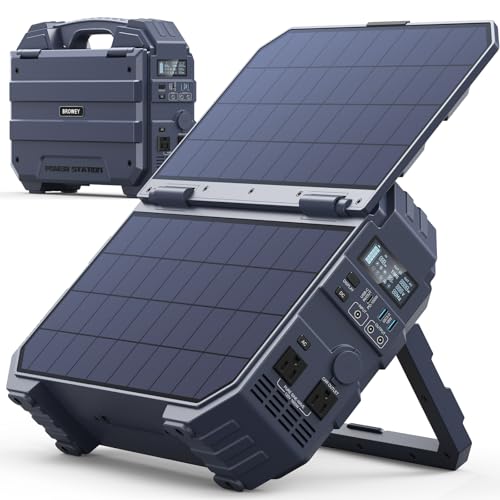
BROWEY 1600W (3200W Peak) Portable Power Station with Built-in Sola...
View available specifications and buying considerations.
SmallEnterpriseD may earn a commission from qualifying purchases. This article is based on documented research and product data, not claimed hands-on testing.